An Easy Guide to Caring for Your New Dental Veneers
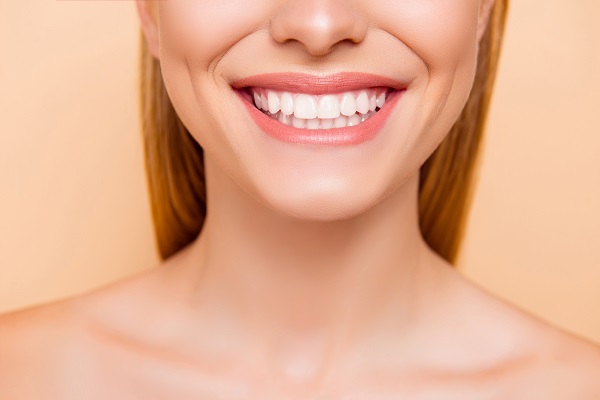
Dental veneers can refresh a smile by covering chips, stains, or uneven edges. After placement, daily habits help dental veneers stay comfortable and look natural. A general dentist can guide home care and follow-up visits so patients know what to do and what to avoid. New dental veneers often feel smooth and slightly different along the tongue, especially near the edges. Some patients notice temporary sensitivity to cold drinks or air because the teeth and gums adjust to the new restorations. Mild gum tenderness may also occur if the gums reacted to the bonding process during the appointment. If discomfort increases instead of improving after a few days, a dental check can confirm the bite and the margins.
Daily cleaning habits for restorations
Caring for dental veneers starts with the same foundation as caring for natural teeth: remove plaque every day. Plaque is a sticky film of bacteria that can irritate the gums and contribute to decay in exposed tooth surfaces. While dental veneers cover the front surface of a tooth, the natural tooth structure and gumline still need consistent attention to remain healthy. Maintaining these habits helps ensure that the underlying teeth remain strong and well-supported.
- Brush twice daily with a soft-bristled toothbrush and gentle pressure, focusing on the gumline.
- Floss once daily, sliding the floss along the side of each tooth and under the gumline rather than snapping it.
- Choose a nonabrasive toothpaste to reduce surface scratching over time.
- Use an alcohol-free mouthwash if a dentist recommends it to support the gums.
These steps support clean teeth, healthier gums, and longer-lasting dental veneers. A consistent hygiene routine prevents bacteria from accumulating at the edges of the restorations where they meet the natural tooth.
Foods and habits to avoid
Veneers function like natural enamel, but certain habits can strain the edges and lead to early wear. Hard items such as ice, hard candy, and unpopped popcorn kernels can chip porcelain or composite materials. Sticky foods can pull at the margins, especially if a person chews on one side for an extended period. Colorful beverages such as coffee, tea, and red wine can stain the bonding areas over time, particularly around the edges; rinsing with water after drinking can help.
Teeth grinding, also called bruxism, can wear dental veneers and natural teeth alike. Many people grind at night without noticing, and symptoms can include morning jaw soreness or headaches. A general dentist may recommend a night guard to reduce pressure on dental veneers and the jaw joints. Protecting the restorations from excessive force is a key part of maintaining the appearance of the smile.
When to call the general dentist
Call a dental office if a veneer feels rough, catches floss, or makes the bite feel uneven, since small bite adjustments can improve comfort. Sudden pain, swelling, or a veneer that loosens needs prompt evaluation by the dental team. Regular dental cleanings are also important because a hygienist can remove tartar (a hardened form of plaque) without scratching the enamel surface. During these visits, the dentist monitors the condition of the dental veneers to ensure they remain securely bonded. With steady home care and routine visits, dental veneers can remain a practical part of a long-term oral health plan. For more information or to schedule an appointment, call our office.
To schedule a consultation, please request an appointment on our website at https://lakeviewdentalclinic.com or call Lakeview Dental at (208) 714-4580 to arrange an appointment at our Coeur d'Alene office.
Check out what others are saying about our dental services on Yelp: Dental Veneers and Dental Laminates in Coeur d'Alene, ID.
Related Posts
Minor flaws in your teeth might make you hide your smile. If so, dental veneers might be the answer for you. These thin, customized porcelain shells will fit over your existing teeth and even out their appearance.Over time, dental veneers have become more prevalent as a cosmetic dental choice. Veneers are thin shells of porcelain…
If you have ever wondered if you are too old or if your child is too young for cosmetic dentistry, you are not alone. This branch of dentistry can enhance a patient's smile, but some services are better suited to certain age groups. Let us look at how the different stages of life influence the…
An experienced cosmetic dentist can help with your dental gaps. This type of dental problem can cause more cavities. It can also lead to dental loosening and bite problems. Most people want to close these gaps so that they can have a more pleasant smile. Here are the details on how a cosmetic dentist can…
There is no one-size-fits-all answer to whether a smile makeover or a single cosmetic dental treatment is better. A smile makeover includes multiple procedures to improve the overall shape, color, and alignment of a smile in a planned order. However, some individuals may only need one cosmetic dental treatment to achieve their smile goals. The…