Ask a General Dentist: Are There Any Risks to Using Mouthwash?
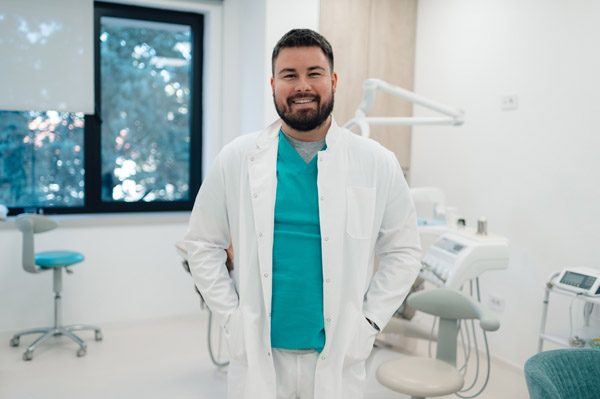
Mouthwash, or mouth rinse, is commonly recommended by general dentists to add to an at-home oral hygiene routine. These rinses help eliminate harmful bacteria in the mouth that can cause decay, gum disease, and bad breath. However, some individuals have concerns that mouthwash can harm their oral and overall health.
Mouthwash: what is in it?
There are several types of mouthwash available at pharmacies and drug stores that target different oral health concerns. The ingredients of each vary depending on its use and may include:
- Alcohol
- Fluoride
- Peroxide
- Essential oils
- Flavoring and dyes
Additionally, some general dentists may prescribe mouthwash containing stronger ingredients to target gingivitis, dry mouth, oral sores, or dry socket.
The benefits of mouthwash
When used as directed, these products can provide benefits that complement a thorough oral hygiene routine. For example, mouthwashes that contain fluoride can help strengthen enamel and protect against tooth decay. It also reaches every area of the mouth, touching spaces that may be hard for individuals to reach with their toothbrush or floss. While mouthwash should never replace brushing and flossing, it can help remove bacteria that people might otherwise miss.
Potential drawbacks of mouthwash
Stains teeth
According to a review published in Therapeutic Advances in Drug Safety, one of the most common side effects of mouthwash use is teeth staining. Mouthwash containing chlorhexidine (CHX), which is only available by prescription, is more likely to cause temporary discoloration after the individual uses it. Mouthwashes that contain bright dyes are also more likely to cause staining than dye-free options.
Kills healthy bacteria
Just like healthy bacteria in the gastrointestinal system, there are also healthy bacteria in the mouth, known as the oral microbiome. This bacterium helps keep people healthy, breaking down nutrients and regulating blood pressure. They can also protect against inflammation. Unfortunately, overusing antibacterial mouth rinses can kill the good and bad bacteria in the mouth.
Causes dry mouth or irritation
Excessive use of mouthwash may introduce avoidable issues. Some formulas contain up to 25 percent alcohol, which can contribute to dry mouth. High amounts of alcohol in mouthwash formulas can also irritate soft tissues. Individuals with higher oral sensitivity may experience burning sensations, sensitivity, or redness.
How to safely use mouthwash
It is important for patients to use mouthwash in moderation. These products are designed to help, not replace, brushing and flossing. A rinse used once or twice a day is generally enough for most individuals.
However, some people may overuse mouthwash. Signs of mouthwash overuse include:
- Chronic or inflamed canker sores
- Bleeding gums after using mouthwash
- Symptoms of dry mouth
- Pain or sensitivity
- Stained or discolored teeth
If these symptoms appear, patients should reduce or stop using the mouthwash and contact their dentist for professional guidance.
Do you have questions about mouthwash use?
Mouthwash can be a valuable addition to your oral hygiene routine, but it is not entirely without risks. Do you have further questions or concerns about mouthwash? Call our Coeur d'Alene office to speak with our dental team or to schedule your next appointment.
Request an appointment here: https://lakeviewdentalclinic.com or call Lakeview Dental at (208) 714-4580 for an appointment in our Coeur d'Alene office.
Check out what others are saying about our dental services on Yelp: General Dentist in Coeur d'Alene, ID.
Related Posts
Regular visits to the general dentist should be part of everyone’s routine, but if you have been going to the dentist since you were a child, you may never have been taught why doing so is important. Whether you need convincing to incorporate dental care into your yearly lifestyle or you want to know more…
General dentists protect the integrity of your oral health by providing preventative and corrective services. These can range from cleanings to repairing damaged teeth. Here are five ways the dentist can protect your smile for years to come.Examinations are one of the most common and necessary preventative measures general dentists recommend and perform. These appointments…
Regular visits to a general dentist are essential for maintaining good oral and overall health. However, many people skip their routine appointments due to scheduling issues or fear of dentists. While these visits may seem inconvenient or unnecessary, they can prevent serious oral health issues down the road. If you are experiencing the following three…
The goal of every general dentist is to preserve the natural teeth of their patients. This type of dental professional offers instruction on how to maintain good oral health. Cavities are one of the most prevalent oral health conditions in the world, so preventing tooth decay is vital for your oral health and general well-being.To…