How to Care For Your New Dental Implant Restoration
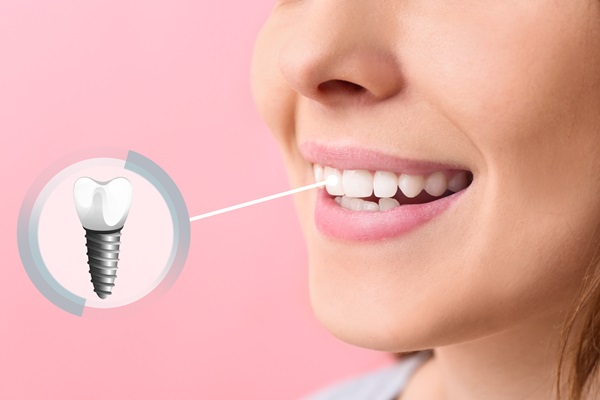
A dental implant restoration is a significant investment in your oral health. This tooth replacement option offers durability while improving the function and appearance of your smile. However, there are ways how you can ensure the long-term success and integrity of the restoration.
Daily oral hygiene practices
Keeping good oral hygiene is important for the longevity of a dental implant restoration. Patients should brush their teeth twice daily with a soft-bristled toothbrush to remove plaque and bacteria from the restoration and the soft tissue around it. Use non-abrasive toothpaste to prevent scratching the surface of the restoration.
Additionally, floss at least once daily with implant-friendly or interdental brushes. This practice cleans hard-to-reach spots and prevents plaque from building up. Patients can also use antimicrobial mouthwash to reduce the accumulation of bacteria and help their gum tissue around the restoration stay healthy.
Dietary guidelines for implant longevity
Certain dietary habits can affect how long the dental implant restoration lasts. Patients should avoid chewing on hard or sticky foods like ice, caramel, or hard candies. These can put extra stress on the implant and the abutment attached to it, whether it be a crown, bridge, or denture.
Additionally, the patient should avoid acidic foods and drinks, such as citrus fruits and fizzy drinks. These can harm the enamel and irritate the gum tissue. Instead, they should consume a balanced diet of vitamins and minerals to keep their mouth healthy and support strong gum tissue around the implant.
Avoid harmful habits
Certain harmful habits can jeopardize the success of a dental implant restoration. Smoking and tobacco use increase the risk of gum disease, which can lead to implant failure. Quitting smoking and other consumption of tobacco can improve the longevity of the restoration and the patient's overall oral health.
Bruxism, a condition where a person grinds their teeth, can also place excessive pressure on the restoration and surrounding bone structure. The dentist may recommend a night guard to protect the implant and remaining natural teeth against grinding. Additionally, patients should avoid using their teeth as tools to open packages or bite non-food objects to prevent accidental damage.
Regular dental checkups and professional cleanings
Routine dental visits are important for checking the health of a dental implant. Professional cleanings remove tartar buildup and help the dentist evaluate how stable the implant restoration is. Regular checkups allow the dentist to spot problems like gum swelling or unevenness before they get worse. The dentist can also recommend specific cleaning techniques or products to help the patient keep their mouth healthy.
Recognizing potential complications
While dental implant restorations have a high success rate, there are complications associated with the treatment. Patients should be aware of the following symptoms:
- Persistent pain
- Swollen gums
- Peri-implantitis
- Bleeding around the implant site
- Loose or shifting implant
- Implant fractures
Taking action as early as possible can help preserve the implant and surrounding oral structures.
Call our office to schedule an appointment
A dental implant restoration provides a durable and natural-looking solution for missing teeth. But you have to take proper care of it to ensure its long-term success. Following the guidelines above can help protect your investment and oral health to ensure that the restoration remains in optimal condition for years to come. Call our Coeur d'Alene office to learn more or to schedule an appointment.
Request an appointment here: https://lakeviewdentalclinic.com or call Lakeview Dental at (208) 714-4580 for an appointment in our Coeur d'Alene office.
Check out what others are saying about our dental services on Yelp: Dental Implant Restoration in Coeur d'Alene, ID.
Related Posts
There is no one-size-fits-all answer to whether a smile makeover or a single cosmetic dental treatment is better. A smile makeover includes multiple procedures to improve the overall shape, color, and alignment of a smile in a planned order. However, some individuals may only need one cosmetic dental treatment to achieve their smile goals. The…
Patients comparing implant crowns and traditional crowns often want a clear, practical explanation. Implant-supported crowns replace a missing tooth by attaching to a dental implant, which functions as an artificial tooth root placed in the jawbone. Traditional crowns cover and reinforce an existing natural tooth after decay, fracture, or a large filling. Both restore shape,…
Regular visits to the general dentist should be part of everyone’s routine, but if you have been going to the dentist since you were a child, you may never have been taught why doing so is important. Whether you need convincing to incorporate dental care into your yearly lifestyle or you want to know more…
General dentists protect the integrity of your oral health by providing preventative and corrective services. These can range from cleanings to repairing damaged teeth. Here are five ways the dentist can protect your smile for years to come.Examinations are one of the most common and necessary preventative measures general dentists recommend and perform. These appointments…