Is It Time For You to Get a Dental Bridge?
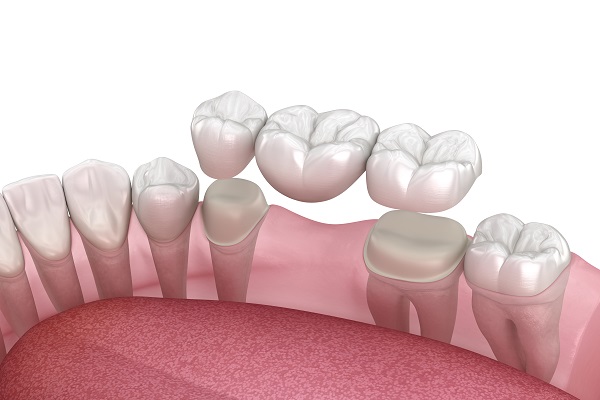
A dental bridge may be the right option when a missing tooth starts to affect chewing, speech, or the alignment of nearby teeth. Gaps in the smile can do more than change appearance. Over time, surrounding teeth may drift into the open space, affecting the bite and making cleaning more difficult. A general dentist can examine the area and determine whether a dental bridge fits the patient’s oral health needs and long-term goals.
Signs that a bridge may help
Many patients consider a dental bridge after losing one tooth or several teeth in a row. This restoration fills the space with an artificial tooth supported by the natural teeth or implants next to it. Patients may notice it is time to discuss a dental bridge when they have trouble chewing certain foods, feel self-conscious about a visible gap, or notice movement in nearby teeth.
A missing tooth can also change how pressure spreads across the bite. Some patients begin chewing on one side more often, which may place extra strain on other teeth and the jaw. Speech changes may also happen, especially when front teeth are missing. A dental bridge can help restore a more even bite pattern while improving daily function.
How a dental bridge works
A dental bridge replaces the missing tooth between two supports. In a traditional bridge, the teeth on each side of the gap receive dental crowns that hold the replacement tooth in place. In other cases, the dentist may recommend an implant-supported bridge when more support is needed or when the neighboring teeth should remain untouched.
The right design depends on several factors, including the location of the gap, the condition of the nearby teeth, and gum health. A general dentist will also assess the bite, bone support, and the pressure the bridge must withstand during chewing. This planning step helps determine whether a dental bridge can support both comfort and long-term function.
When timing matters
Delaying treatment for a missing tooth may create added problems over time. Teeth can shift, plaque can collect more easily in hard-to-clean spaces, and the bite can change in ways that affect comfort. These changes may make future treatment more involved. Discussing a dental bridge early gives the dentist a chance to protect the surrounding teeth and keep the treatment plan more straightforward.
Some patients may also have older dental work near the gap, such as crowns or large fillings. In those cases, a dental bridge may serve two purposes: replacing the missing tooth and restoring the surrounding teeth. This can help create a more balanced result across the smile.
Restoring your smile
A dental bridge can be a practical option for patients who want to replace a missing tooth and support everyday comfort. By filling the gap, this restoration may improve chewing, help maintain tooth alignment, and restore a more complete smile. A dental exam is the next step in deciding whether a dental bridge matches the patient’s oral health needs, the condition of nearby teeth, and the goals for treatment. For more information or to schedule an appointment, call our office.
To schedule a consultation, please request an appointment on our website at https://lakeviewdentalclinic.com or call Lakeview Dental at (208) 714-4580 to arrange an appointment at our Coeur d'Alene office.
Check out what others are saying about our dental services on Yelp: Dental Bridges in Coeur d'Alene, ID.
Related Posts
Patients comparing implant crowns and traditional crowns often want a clear, practical explanation. Implant-supported crowns replace a missing tooth by attaching to a dental implant, which functions as an artificial tooth root placed in the jawbone. Traditional crowns cover and reinforce an existing natural tooth after decay, fracture, or a large filling. Both restore shape,…
A dental crown serves as a reliable way to protect a damaged or weakened natural tooth. These durable caps rebuild the tooth's shape while offering a shield against the pressures of chewing and speaking. While crowns are known to last a decade or more, the true lifespan depends on a few factors.The primary goal of…
A dental crown can protect the remaining dental structure. It can restore and protect the natural tooth. Maintaining this restoration can help keep your smile intact for a long time. Here are some care tips for your new dental crown.Specific foods can damage a dental crown. Some raw fruits and vegetables are firm and hard.…
Regular visits to the general dentist should be part of everyone’s routine, but if you have been going to the dentist since you were a child, you may never have been taught why doing so is important. Whether you need convincing to incorporate dental care into your yearly lifestyle or you want to know more…